Freezer bags are the simpler starting point for occasional freezing; a vacuum sealer is worth considering when you regularly portion food for the freezer and have room for the machine and its supplies. Neither option replaces safe food handling, suitable freezer storage, or a plan to use what you pack.
The real small-kitchen question is not whether a vacuum sealer sounds more advanced. It is whether it solves a recurring packaging problem well enough to justify extra cost, setup, cleaning, and storage.
This is a decision guide, not a hands-on packaging test. We do not claim a fixed shelf-life extension, measured waste reduction, or guaranteed savings. Follow the packaging instructions, the sealer manual, and authoritative guidance for the specific food.
Affiliate disclosure: As an Amazon Associate, we earn from qualifying purchases. Some shopping links below are affiliate links.
Vacuum sealer vs freezer bags: quick comparison
| Decision point | Freezer bags | Vacuum sealer |
|---|---|---|
| Starting equipment | Suitable freezer-rated bags and labeling supplies. | Machine, compatible packaging, and labeling supplies. |
| Air removal | Manual removal as the bag instructions permit. | Machine-assisted removal using its approved process. |
| Kitchen storage | A relatively simple supply drawer. | Space for the unit, bags or rolls, and any accessories. |
| Occasional small portions | Often the convenient starting point. | May add more setup than the task warrants. |
| Repeated batch packing | Compare closure effort and packaging results. | Consider if the model suits the foods and frequency. |
| Liquids or delicate food | Check bag suitability and fill instructions. | Check model-specific methods; do not assume ordinary operation suits them. |
| Food safety | Packaging does not make unsafe food safe. | Reduced oxygen introduces additional handling concerns. |
These are workflow comparisons, not measured performance rankings. Bag quality, the food, the seal, and storage conditions all matter.
What each method actually does
A freezer bag provides a food-storage package designed for the uses stated by its manufacturer. Close it using its instructions and check whether its size and shape suit the portion. Do not assume a thin sandwich bag has the same intended use as freezer-rated packaging.
A vacuum sealer removes air from a compatible package and seals it using the machine’s prescribed process. Home systems differ: some use specially textured bags or rolls, while others use compatible valve bags or containers. Supplies that look similar are not necessarily interchangeable.
N.C. Cooperative Extension’s vacuum-packing guidance explains that reduced air can offer quality benefits, but that vacuum packaging also changes the food environment and creates safety concerns. It is not a substitute for canning or cold storage of perishable food.
That distinction matters when shopping. A tighter-looking package is not evidence that food can now be kept on the counter or used beyond the appropriate handling guidance.
Start with your freezing routine
Write down what you actually froze in the last month. Include the number of portions, the foods, whether packages stayed closed, and whether you used them. This reveals more than a list of hypothetical future projects.
If you freeze a few leftovers occasionally, start by improving your existing system: suitable packaging, sensible portions, clear labels, and an inventory you can see. Buying a machine will not automatically solve forgotten food.
If you frequently divide larger purchases into meal-sized portions, investigate whether a suitable sealer makes that routine easier. Check permitted foods, packaging width, operating limits, and any required pauses between seals. Do not assume every compact unit supports continuous batch work.
If you freeze mostly liquids or delicate items, investigate the exact handling method before selecting equipment. The best choice for sturdy portions may not be the best choice for your usual food.
Quality benefits are not a universal shelf-life promise
N.C. Cooperative Extension notes that careful storage using recommended practices can deliver good quality without a vacuum sealer. Packaging is therefore worth improving, whether or not you buy a vacuum sealer.
Do not turn a general quality benefit into a claim that every food lasts a certain number of times longer. Foods differ, and a damaged seal or unsuitable storage can undermine the packaging method.
Record what you pack and use food-specific storage guidance. A machine’s marketing chart is not a replacement for authoritative handling advice. Keep quality expectations separate from safety decisions.
If food was mishandled before packing, changing the package does not reverse that history. Do not taste questionable food to decide whether it is safe.
Measure the whole workspace, not just the machine
A compact sealer may still need a clear working area in front of it for positioning the bag. Check the instructions and measure with your usual portion size in mind.
Include storage for rolls, precut bags, cutters, accessories, and the cord. If the unit lives in a cupboard, ask whether retrieving it is easy enough for a weekday meal-prep session.
For freezer bags, measure the supply space and consider where you will fill and label them. Both systems need an orderly packing surface. Avoid setting up where packages could contaminate ready-to-eat food or where a spill could reach electrical equipment.
A useful trial is to lay out your proposed packing routine on the counter without buying anything. Identify where the food, open package, finished portion, and labeling supplies will go. If the sequence requires constant rearranging, solve the layout first.
Compare total cost with your own numbers
Count recurring supplies, not just the appliance price. Use current prices for the exact compatible bags or rolls and estimate how much packaging your usual portions require.
| Cost or benefit | What to record |
|---|---|
| Equipment | Purchase cost and any required accessories. |
| Packaging | Actual cost per usable package, including roll offcuts or failed seals. |
| Frequency | Packages made during a normal month, not an ambitious target. |
| Maintenance | Documented replacement consumables or parts, if applicable. |
| Waste avoided | Food you actually used instead of discarding; do not assume savings. |
Illustrative calculation only: if equipment costs $80 and your measured net savings after extra packaging costs are $5 per month, the simple payback is 16 months. These are hypothetical numbers, not product prices or expected results. If there are no net savings, there is no savings-based payback.
Convenience can still justify a purchase, but name it honestly as convenience. Do not count buying more food than you can use as a saving just because the larger pack has a lower unit price.
Liquids, delicate food, and awkward portions
Check the instructions before putting liquid-containing food through a sealer. Do not allow liquid into a machine that is not designed to handle it. Follow its approved preparation and sealing method rather than adapting a technique from another model.
For delicate food, verify whether the equipment offers a suitable documented process. Do not assume a button labeled “gentle” guarantees your particular food will retain its shape.
For freezer bags, use packaging approved for the intended food and storage method. Respect fill and closure instructions. Place the package so it stays contained and does not leak onto other food.
Sharp edges, bulky shapes, and very small portions also deserve attention. Check that the chosen package can be closed properly. A package that is inconvenient to use or repeatedly fails is not a good fit merely because the machine itself is compact.
Food-safety limits you must keep
Perishable food still needs the appropriate refrigeration or freezing after vacuum sealing. N.C. Cooperative Extension also warns that harmful bacteria may not visibly change the food. Appearance is not proof of safety.
Reduced oxygen is not sterilization. USDA’s explanation of botulism in vacuum-packaged food identifies the low-oxygen environment as a concern. Follow food-specific guidance rather than improvising storage times.
Thawing needs a plan too. The Iowa State University Extension guidance on vacuum sealers highlights special concerns with reduced-oxygen packaged fish and removing it from the package before thawing. Follow the food’s label and authoritative thawing instructions.
Do not use this article as a method for room-temperature preservation, vacuum canning, or sous-vide cooking. Those are different tasks with their own requirements. A bag’s freezer suitability does not establish permission to boil, microwave, or cook in it.
Portioning and labels may matter more than the machine
Pack an amount you expect to use for a meal. A large package that you repeatedly open can defeat the convenience you wanted. Choose portions around your household, not the size of the original purchase.
Label the contents, amount, and packing date. Keep any important preparation or thawing instructions accessible. A short freezer inventory can prevent another purchase of food you already own.
Review the inventory before shopping and plan meals around older suitable portions. Neither packaging system does that work for you. An organized freezer can make a basic bag system more useful than a sophisticated sealer used without a plan.
When to choose each option
Choose freezer bags first if you freeze occasionally, have limited equipment space, and can package your food appropriately with a simple routine.
Investigate a vacuum sealer if you repeatedly pack suitable foods, can accommodate its complete setup, and have a specific packaging or convenience problem to solve.
Use a mixed system if different foods need different packaging. You do not have to replace every container or freezer bag when buying a sealer.
Our compact vacuum sealer guide can help create a shortlist. You can also read our guide to the best compact vacuum sealers or browse freezer bags on Amazon. Check the exact product’s intended uses and compatibility before ordering.
Frequently asked questions
Can ordinary freezer bags go in a vacuum sealer?
Only if the machine and packaging instructions explicitly permit them. Do not assume a heat-sealing or vacuum process works with any bag.
Does vacuum sealing make food safe at room temperature?
No. It does not make perishable food shelf-stable or replace an approved preservation process.
Will a sealer save money?
Possibly, but only your actual food use and total costs can establish that. Include packaging costs and avoid assuming a fixed waste reduction.
Can I reuse bags?
Follow the packaging manufacturer’s reuse and cleaning instructions and relevant food-safety advice. Do not assume all bags or previous contents permit reuse.
Bottom line
Start with suitable packaging, sensible portions, and a freezer inventory. Add a vacuum sealer when it solves a recurring problem that justifies its full cost and space. Treat potential quality benefits as quality benefits—not permission to relax food-safety rules.
Drying is another space-smart way to preserve food in a small kitchen — see our best small food dehydrator picks.
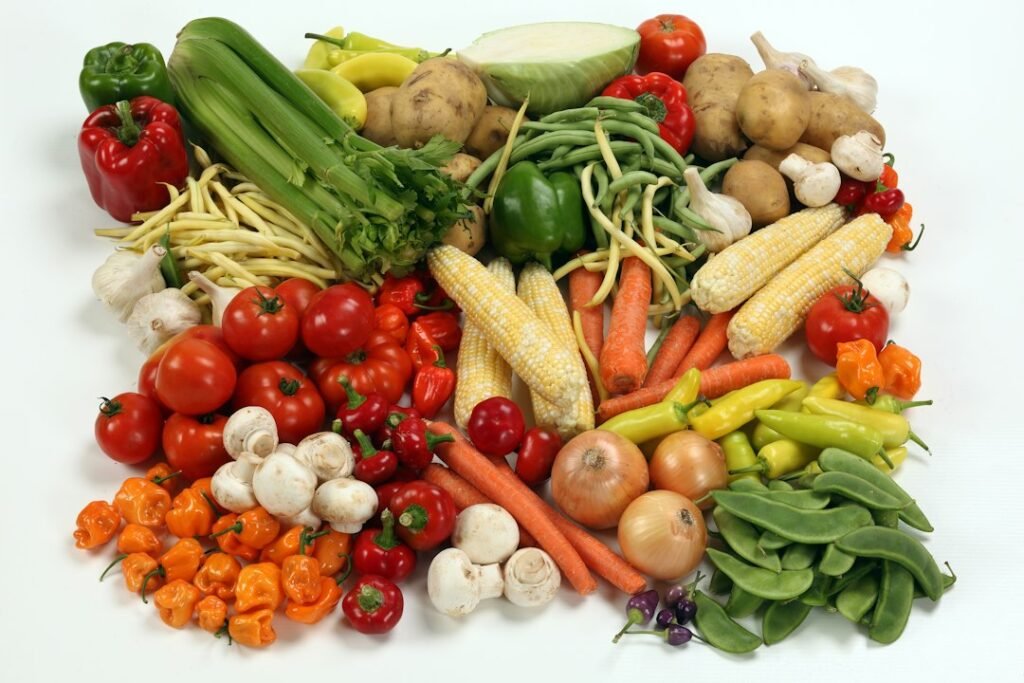
Illustrative food photo by Randy Fath on Unsplash. It does not show our packaging tests.
Pingback: Food Dehydrator vs Oven: Small-Kitchen Comparison
Pingback: Best Compact Vacuum Sealer for a Small Kitchen | KitchenFitly
Pingback: How Long Does Vacuum-Sealed Food Last?