Updated October 2026.
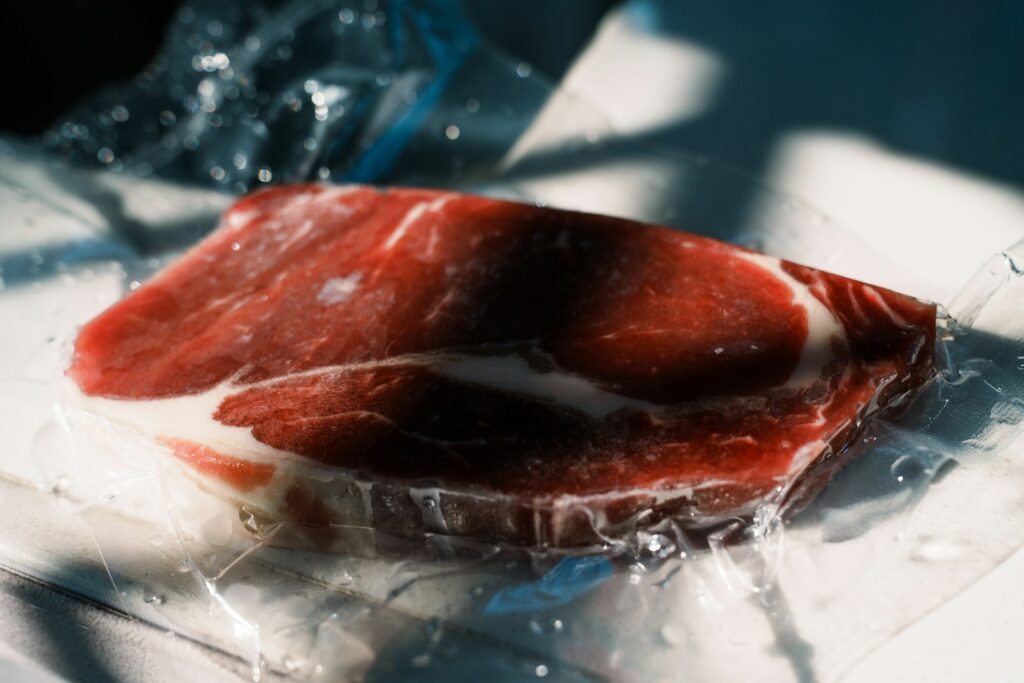
Vacuum sealing can dramatically extend how long food stays good—but mostly in terms of quality, and only when you pair it with the right storage temperature. It is not a magic shelf-life button, and for a few foods it can even be risky. Here is what vacuum sealing really does, realistic timelines by food type, and the safety rules it does not replace.
Why Vacuum Sealing Extends Shelf Life
Oxygen is what drives much of the spoilage you can taste: it oxidizes fats (rancidity), fuels many spoilage microbes and dries out frozen food into freezer burn. Pulling the air out slows all of that, so food holds its flavor, color and texture much longer. The effect is biggest in the freezer and the pantry; in the fridge it helps, but refrigerator safety limits still apply.
Vacuum-Sealed Shelf Life by Storage Method
These are commonly cited quality estimates, not guarantees—actual results depend on the food, how cold your storage is, and the seal:
| Food | Typical unsealed | Vacuum-sealed | Where |
|---|---|---|---|
| Raw meat | ~6 months (quality) | ~1–3 years | Freezer |
| Fish | ~6 months | ~1–2 years | Freezer |
| Hard cheese | 1–2 weeks | 4–8 months | Fridge |
| Coffee beans | Weeks (quality) | Many months | Pantry |
| Dry goods (rice, beans, flour) | Months | 1–2 years-plus | Pantry |
| Cooked leftovers | 3–4 days | 1–2 weeks | Fridge |
The pattern is clear: vacuum sealing roughly multiplies freezer and pantry life, and gives a useful but smaller boost in the fridge.
The Safety Rule Vacuum Sealing Does Not Replace
This is the part that matters most: removing oxygen does not kill bacteria, and some dangerous ones actually prefer a low-oxygen environment. Clostridium botulinum (botulism) and Listeria can grow without air, so a vacuum seal can hide a false sense of security. The rules:
- Perishables stay perishable. Vacuum-sealed meat, fish, cheese and cooked food must still be refrigerated or frozen—never stored at room temperature.
- Vacuum sealing extends quality, not the USDA refrigerator safety window. Keep the fridge at or below 40°F and still use perishables within safe limits.
- Seal clean, fresh food. Sealing already-spoiling food just traps the problem.
Foods to Be Careful With
A few foods are genuinely risky to vacuum-seal and store improperly. Fresh garlic and onions in oil, fresh mushrooms, and soft cheeses can support anaerobic bacteria; keep them cold and use them quickly, and follow NCHFP guidance rather than treating a seal as preservation. When in doubt, freeze rather than leaving a vacuum-sealed perishable in the pantry.
Tips to Get the Longest Life
- Freeze first for juicy or soft foods, then seal, so the sealer does not crush them or pull in liquid.
- Label everything with the seal date—airtight food still ages.
- Keep your freezer at 0°F and your fridge at or below 40°F.
- Use a moist setting for anything with liquid to get a reliable seal.
If you are deciding whether a sealer is worth it versus ordinary bags, read our vacuum sealer vs freezer bags comparison, and for a space-saving model see the best compact vacuum sealer for a small kitchen. Sealing works beautifully with home-dried food too—see the best small food dehydrator.
Frequently Asked Questions
Does vacuum sealing let me store meat at room temperature?
No. Vacuum-sealed meat is still raw, perishable food and must be refrigerated or frozen. Removing air does not make it shelf-stable.
How much longer does vacuum-sealed food last in the freezer?
Often two to five times longer in terms of quality, because sealing prevents freezer burn. Frozen meat that keeps about six months unsealed can hold quality for one to three years sealed.
Can vacuum-sealed food get botulism?
It can if perishable, low-acid food is stored improperly, because botulism bacteria grow without oxygen. Always keep vacuum-sealed perishables cold and follow USDA and NCHFP guidance.
Does vacuum sealing work for pantry dry goods?
Yes—it is excellent for rice, beans, flour, coffee and similar dry foods, often extending quality to well over a year by keeping out air and moisture.
Sources
Featured photo by Toxic Smoker on Unsplash.