Updated October 2026.
Electric lunch boxes—the heated kind that plug into a wall or vehicle outlet and warm your food while you work—are safe to use when you choose a quality unit and follow a few sensible habits. Like any small heating appliance, the risks come from misuse, not from the concept. Here is what actually matters, from electrical safety to plastics and food handling.
Electrical Safety: What to Look For
The core of a heated lunch box is a low-wattage heating element, so draw is modest, but treat it like any plug-in appliance:
- Choose a certified unit. Look for a recognized safety mark (such as UL or ETL listing) and overheat protection.
- Do not run it unattended for hours. It is designed to warm food in roughly 20–45 minutes, not to cook all day. Unplug it once the food is hot.
- Match the voltage. A 110V home model is not a 12V/24V vehicle model. Using the wrong adapter or a cheap splitter is where problems start—buy the version made for where you will use it.
- Keep cords and vents clear, and never immerse the heating base in water.
Plastic vs Stainless: Is the Material Safe?
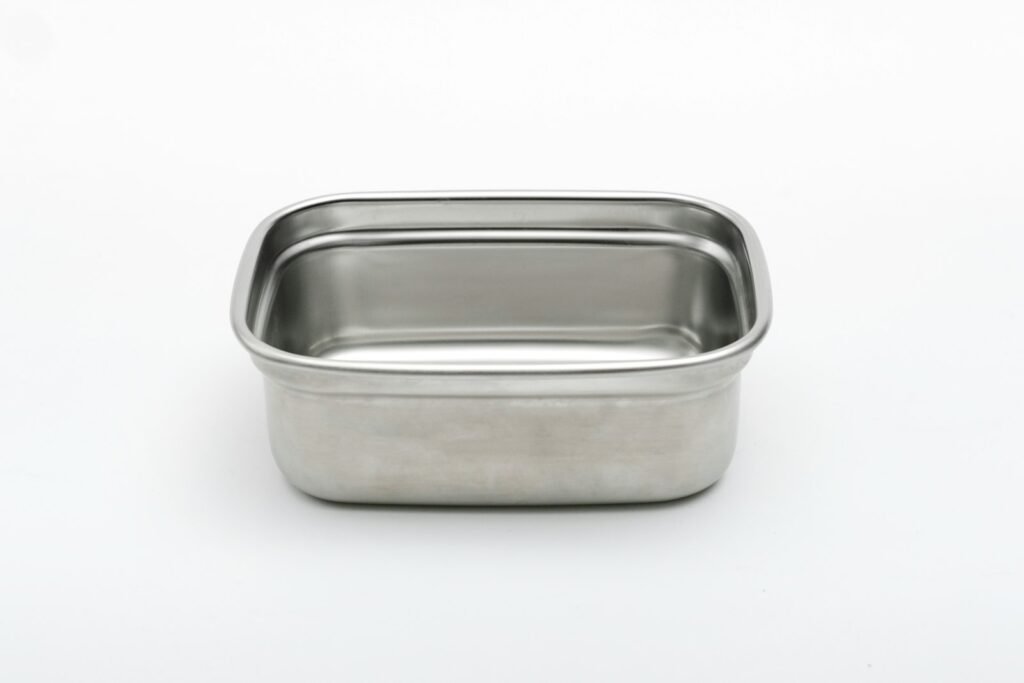
Most electric lunch boxes have a removable food tray, and the material of that tray is the question people worry about. Reputable brands use food-grade, BPA-free plastic (commonly polypropylene, resin code 5) or a stainless-steel tray. Both are considered safe for food contact.
Two practical rules keep it that way: never put the plastic liner in a microwave or oven (it is made for gentle warming, not high heat), and replace any tray that is cracked or badly scratched. If you prefer to avoid plastic entirely, a stainless tray is the way to go—we compare the trade-offs in stainless steel vs plastic electric lunch boxes.
Food Safety: The Part That Matters Most
The biggest real-world risk with any packed lunch is not the appliance—it is how long food sits in the “danger zone” between 40°F and 140°F, where bacteria multiply. Because an electric lunch box heats slowly, follow these rules:
- Start from properly chilled food. If your lunch sat warm all morning, heating it later does not make it safe.
- Let it reach a steaming-hot 165°F (74°C) throughout before eating—do not stop at lukewarm.
- If you have a long commute, keep the food cold (an insulated bag with an ice pack) until you are ready to heat it.
Used this way, a heated lunch box is as safe as any other reheating method. For keeping food hot or cold without cooking at all, compare an electric lunch box vs an insulated food jar.
Burns, Steam and Everyday Handling
The tray, lid and steam are hot at the end of a cycle, so open the lid away from your face and use the handle. Let it cool before cleaning, and wash the tray and seal after every use so food residue does not build up—our guide to cleaning an electric lunch box walks through it. These are the same precautions you would take with any hot container.
Who Should Feel Confident Using One
For commuters, drivers, and people on job sites without a break room, a certified electric lunch box is a safe, practical way to eat a hot meal—see our picks for the best electric lunch box for work and the best electric lunch box for construction workers. The safety comes down to buying quality, using the right voltage, and handling food correctly.
Frequently Asked Questions
Can you leave an electric lunch box plugged in all day?
No. It is designed to warm food in about 20–45 minutes. Unplug it once the food is hot rather than leaving it running unattended for hours.
Is the plastic in electric lunch boxes safe?
Reputable models use food-grade, BPA-free plastic or stainless steel, both considered safe for food contact. Never microwave the plastic liner, and replace it if it cracks.
Can you overheat food in an electric lunch box?
They warm gently and most have overheat protection, so scorching is unlikely. The bigger issue is under-heating—make sure food reaches 165°F before eating.
Are electric lunch boxes safe to use in a car?
Yes, if you use a model designed for your vehicle’s 12V or 24V socket. Do not run a home 110V unit through a makeshift adapter.
Sources
Featured photo by an_vision on Unsplash.