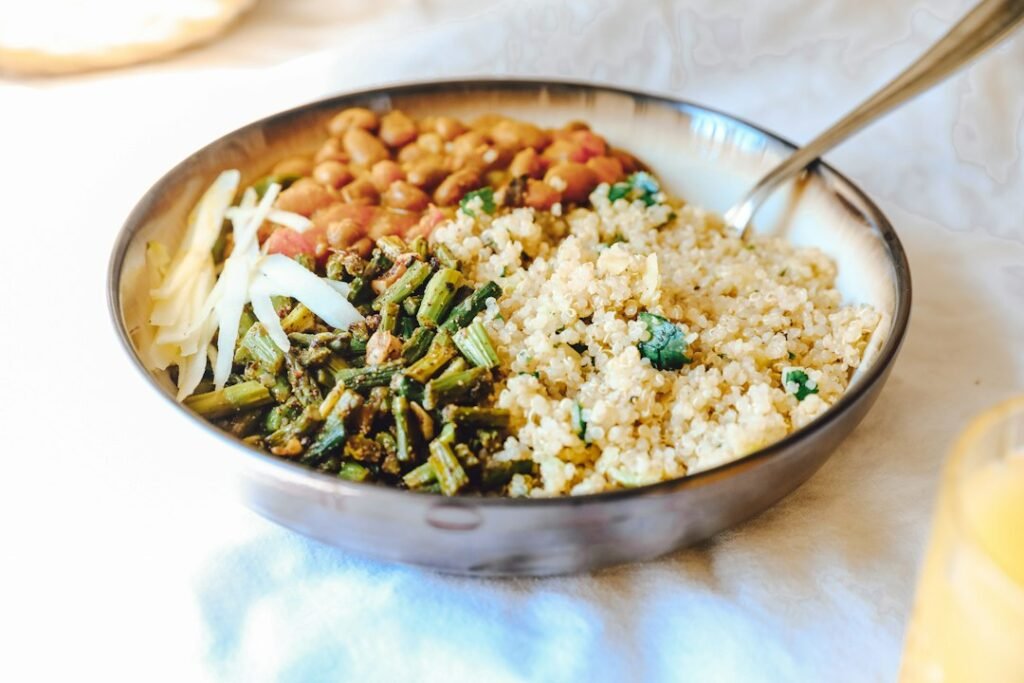
Brown rice usually needs more water and a longer cooking cycle than white rice, so not every mini rice cooker handles it equally well. If brown rice is part of your regular routine, choose a compact cooker based on documented cycle support and small-batch performance rather than size alone.
How to verify a mini cooker for your brown-rice routine
Start with the exact model’s manual rather than a retailer’s feature list. Find the section for the type of brown rice you use and note its minimum and maximum quantities, the measuring cup standard, water guidance and required program. A cooker’s white-rice capacity does not establish the amount it can handle on a brown-rice cycle.
Do not assume that two similarly named brown-rice settings are interchangeable. If the manual distinguishes ordinary brown rice from a special preparation or soaking cycle, use the instructions for the setting you actually intend to select. Compare complete preparation time, including any specified soaking and resting, rather than the heating portion alone.
A small-batch comparison worksheet
- Your normal batch: record the dry quantity using the specified measuring cup.
- Supported range: verify that quantity against the brown-rice instructions.
- Controls: identify whether you need a dedicated program or a documented procedure on a simpler model.
- Schedule: check whether the full process fits when you normally prepare dinner.
- Cleanup: check how the lid, steam vent and inner pot are cleaned after that program.
If a manual does not explain brown-rice use, ask the manufacturer about that specific model. Do not fill the gap with a water ratio taken from a different cooker. Rice variety, cup size and program design can make that substitution misleading.
How to assess your first batch
Follow the manual without changing several variables at once. Record the rice variety, measured quantity, selected program and any required preparation. If the result is unsuitable, consult the model’s troubleshooting advice before experimenting with water or timing. That record is more useful to support staff than simply reporting that the rice was hard.
Which compact format makes sense?
A simple mini cooker can suit occasional use when its manufacturer documents the brown-rice procedure. A compact programmable model may suit frequent use when its controls and permitted batch range fit your routine. Choose by that evidence, then check dimensions; a named brown-rice button alone does not establish better results.
1. Check for Brown-Rice Guidance
Review the manufacturer’s manual or product documentation for brown-rice instructions. A dedicated brown-rice mode can be convenient, but clear water ratios and timing guidance are more important than the label itself.
2. Confirm Small-Batch Performance
A compact cooker should still handle the amount you normally make. Check minimum quantities and make sure the model is suitable for one- or two-person portions.
3. Allow for Longer Cooking Time
Brown rice generally takes longer than white rice. If speed matters, compare documented cycle times, but do not trade away reliable texture just to save a few minutes.
4. Consider Soaking Recommendations
Some manufacturers recommend soaking or adjusting water for brown rice. Follow the instructions for the specific cooker rather than applying a universal ratio.
5. Think About Cleanup
Brown rice can leave more residue than white rice in some cookers. Removable parts and a practical inner-pot design can make frequent use easier.
Storing Cooked Brown Rice Safely
Brown rice takes longer to cook, so many people make extra. Cooked rice can carry spores of Bacillus cereus, which survive cooking and multiply if rice sits warm, so cool leftovers promptly. Refrigerate them within two hours and reheat until steaming hot. Don’t rely on a keep-warm setting for all-day storage unless the manual says the cooker is designed for it.
FAQ
Can a mini rice cooker cook brown rice without a brown-rice setting?
Some can, if the manufacturer documents a procedure for it, usually with extra water or soaking. Without that guidance, results may be undercooked or boil over.
Why does brown rice boil over in a small cooker?
Brown rice needs more water and releases starch as it cooks. In a small pot, that leaves little headroom. Stay within the manual’s brown-rice maximum, which is often lower than the white-rice maximum.
Is a 3-cup cooker better than a mini one for brown rice?
Often yes, because the extra headroom and dedicated settings help. Compare them in our 2-cup vs 3-cup guide.
Related Small-Kitchen Guides
For capacity decisions, see our one-person rice cooker sizing guide and 3-cup rice cooker guide. If space is the main concern, read how to compare the smallest rice cookers.
Bottom Line
For brown rice, the best mini cooker is not simply the smallest one. Choose a compact model with clear manufacturer support for brown rice, dependable small-batch cooking, and dimensions that fit your kitchen.
Among the compact models we cover, the Zojirushi NS-LGC05 lists a dedicated brown rice setting. Confirm the menu settings on the current listing before you buy.
Pingback: 2-Cup vs 3-Cup Rice Cooker | KitchenFitly