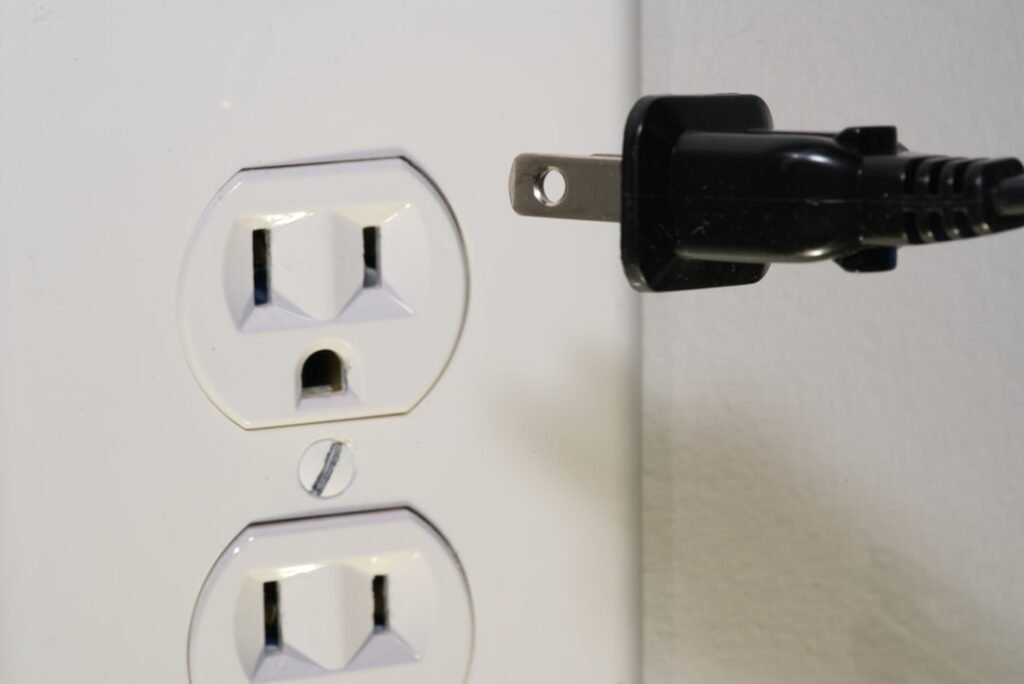
The biggest difference between cordless and plug-in electric lunch boxes is not simply convenience. It is when and where the unit gets its energy. Plug-in models need access to a compatible outlet while heating; cordless or battery-powered designs can offer more freedom after charging, but introduce battery capacity, charging time and battery-care considerations.
Quick Answer
Choose a plug-in lunch box if you reliably have the correct outlet in your vehicle, office or worksite and want a straightforward heating setup. Consider a cordless model when access to power during the heating period is the main problem and its battery runtime fits your routine.
Plug-In Electric Lunch Boxes
Advantages
- No need to remember to recharge a built-in battery.
- Can suit long shifts when a compatible power source is continuously available.
- Often simpler to understand: connect to the specified power source and follow the heating instructions.
Tradeoffs
- The lunch box is tied to an outlet while powered.
- Vehicle compatibility matters for DC models.
- Cords and adapters add items to carry and store.
Cordless or Battery-Powered Lunch Boxes
Advantages
- Greater flexibility when you cannot remain near an outlet.
- Potentially useful on jobsites, routes or work areas with unreliable power access.
- Some designs can be scheduled or started without remaining connected during the full heating period.
Tradeoffs
- The battery must be charged.
- Battery runtime and heating performance are model-specific.
- Batteries add weight and eventually age.
- Charging and storage instructions need to be followed carefully.
Side-by-Side Comparison
| Factor | Plug-in | Cordless |
|---|---|---|
| Needs an outlet while heating | Yes | No (after charging) |
| Daily routine | Plug in before your break | Charge overnight; heating can be scheduled |
| Weight | Usually lighter | Heavier because of the battery |
| Long-term wear | Mostly the cord and heater | The battery gradually loses capacity |
| Typical price | Usually lower | Usually higher |
| Best for | Offices, break rooms, vehicle cabs | Jobsites, field work, no outlet nearby |
Three Questions to Decide
- Will you have a compatible outlet within reach for the full heating time? If yes, plug-in is simpler and usually cheaper.
- Will you remember to charge it every night? Cordless only works if charging becomes routine.
- Do you walk away from your bag before lunch? If you leave the vehicle or break room, a cordless model with scheduled heating means your food is ready when you get back.
Battery Care for Cordless Models
- Use only the charger and cable supplied or approved by the manufacturer.
- Don’t leave the unit in a hot vehicle for long periods; heat shortens battery life.
- Stop using it if the battery swells, smells unusual or gets hot while not heating food.
- Follow the manual’s cleaning rules. The battery and electronics must never be submerged. See how to clean an electric lunch box.
Which Is Better for Drivers?
If your vehicle provides a compatible outlet and you spend substantial time in it, a plug-in vehicle model may be the simpler solution. Check whether your vehicle uses the voltage required by the lunch box. Our 12V vs 24V guide explains why this matters.
Which Is Better for Jobsites?
A cordless design can be attractive when outlets are scarce or far from your work area. A plug-in model can still be excellent when a reliable break-room, trailer or vehicle outlet is available. See our construction-worker electric lunch box guide.
Do Both Types Heat at the Same Speed?
No universal rule applies. Heating time depends on the model, food quantity, starting temperature, power and container design. Read our guide on electric lunch box heating time.
Affiliate links: as an Amazon Associate, KitchenFitly earns from qualifying purchases. Models come from our research-based guides; check the exact listing and manual before buying.
- Cordless: LunchEAZE Core. Rechargeable 8,000 mAh battery, four-cup 304 stainless-steel container, and scheduled heating. Check it on Amazon →
- Plug-in, wall outlet: HOTLOGIC Mini 120V. A simple plug-in warmer for a standard wall outlet. Check it on Amazon →
- Plug-in, vehicle: HOTLOGIC Mini 12V. Rated by its manufacturer for standard U.S. 12V vehicle power. Check it on Amazon →
Full shortlists: construction workers and truck drivers.
FAQ
Are cordless electric lunch boxes worth the extra cost?
They are if a lack of outlets is your real problem. If you always eat near a working outlet, a plug-in model does the same job for less.
How long does a cordless lunch box battery last?
It depends on the model, the battery size and how much food you heat. Check the manufacturer’s stated heating cycles per charge.
Can I use a cordless lunch box while it is charging?
Some models allow it and some don’t. Follow the manual for your specific unit.
Bottom Line
Plug-in is usually the simpler choice when compatible power is reliably available. Cordless is more compelling when freedom from an outlet solves a real problem. Compare the exact model specifications rather than treating either power style as automatically superior.
Pingback: Best Electric Lunch Box for Truck Drivers: 3 Practical Types to Consider - KitchenFitly